San Ignatio
Travel Advice for Seniors: San Ignacio
Yes, the eastern beaches are grand in Belize, but you need the cultural significance of the Cayo area in the west to get a more complete picture of the country.
An interesting factoid about Belize is that it is home to several Mennonite colonies, including a large agricultural group in the Cayo area. It was so odd to see the name of a German feed store in the middle of the market square in Santa Elena. Apparently, they came down from North American and settled in the area. They appear to have done well for themselves and there is now some controversy about tropical forest clearing to make room for their cattle farming.
The Cayo area is also home to the capital of Belize, Belmopan. The capital was formerly Belize City, but it was moved further inland in 1961 after Hurricane Hattie leveled the city.
We had about a three-hour journey from the beach to the western edge of the country and made a few stops along the way to round out the day.
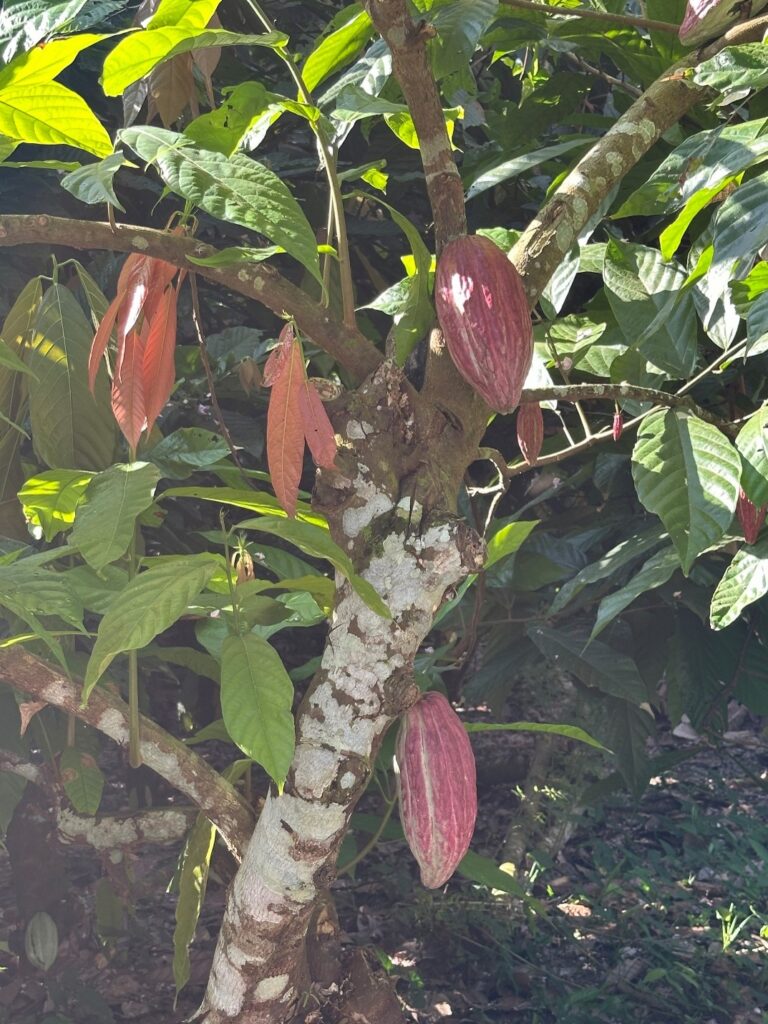
Starting with a visit to a Mayan Chocolate Factory! If you don’t know anything about cacao and its health benefits, by all means make a stop to check it out. Be warned…the chocolate that is generated from repetitively crushing the cacao cherries is very bitter and even the 70% cacao bars are too bitter for me. And you can believe the health benefits part about eating chocolate if you want to….I’m in!
However, the best part about the factory stop was the second presentation by a local guide about medicinal herbs. It may sound like a snooze, but it was fascinating. The ancients have passed on the herbal knowledge for generations and to hear a bit about it was engrossing. It was also surprising to find out that some of the plants that are commonly used in US food have medicinal properties. We also got to taste some teas made from some of the herbs that were presented. Needless to say, I took good notes and a medicinal herb garden is in my plans for Spring!
One of the “must-do” things in Belize is to go “cave-tubing”. Yes, it’s as fun as it sounds! Suit up with your bathing suit, water shoes, life vest and a hard hat with a light, grab an innertube and start walking though the tropical forest to the beginning of Jaguar Paw Cave! The walk was about twenty minutes and not taxing. After we got to the beginning of the cave entrance, the innertubes were all roped together and we were ready to go!
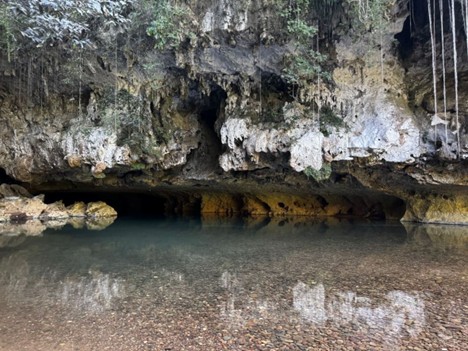
Jaguar Paw cave is known as one of the premier cave-tubing locations because the water is fairly shallow and the stalagmite and stalagmite formations are fantastic. There are also areas where you can see the outside, so it is not extremely claustrophobic. Be sure to notice the “jaguar” rock formation along one of the cave openings to the open-air forest. You don’t have to paddle or really do anything except look around. The guides narrate some history for you and also steer you along the way. There is no fast water and several times we were asked to lift up a bit as it was pretty shallow.
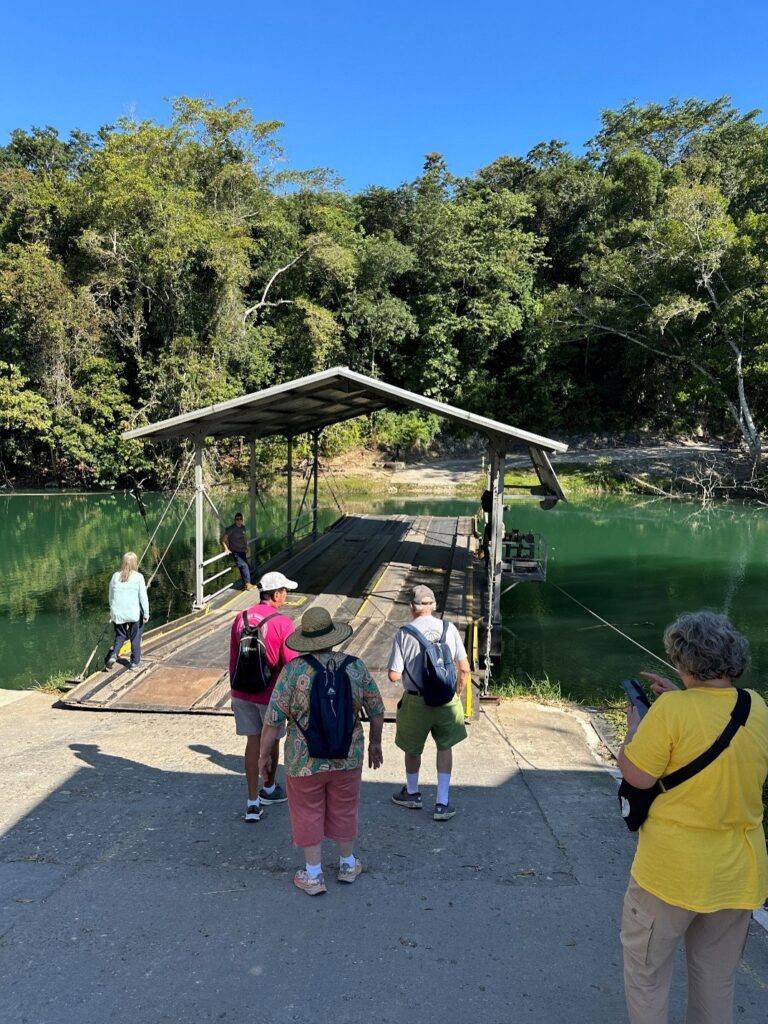
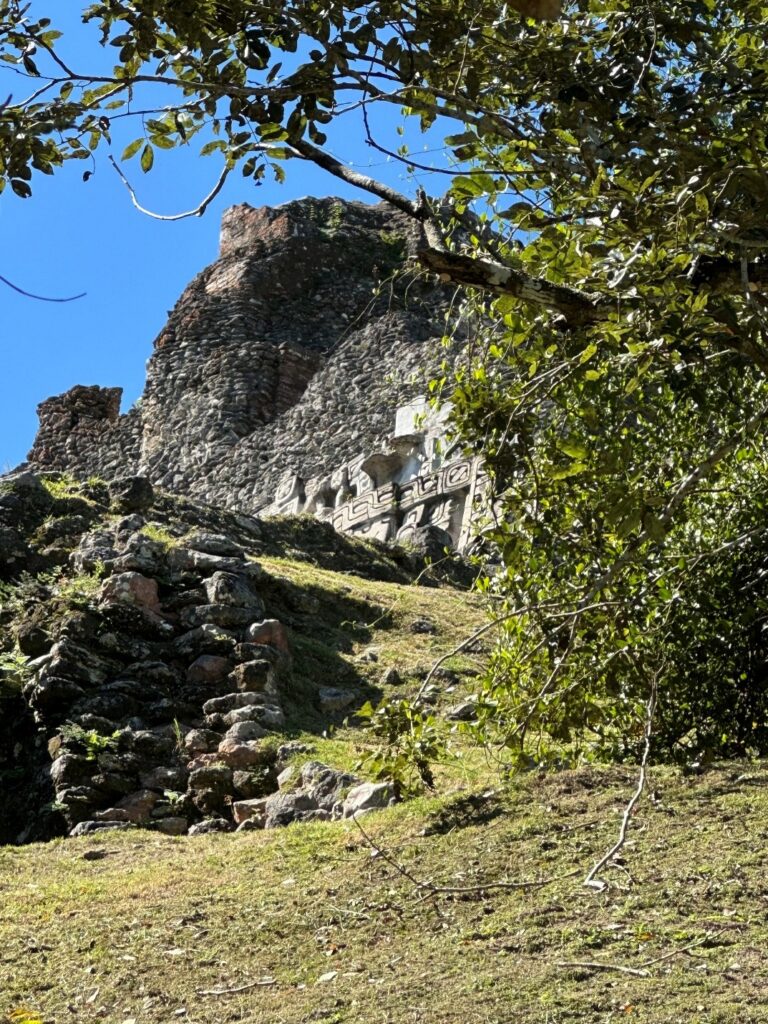
After an afternoon of fun, the next day was a deep dive into Mayan culture. We started near the Guatemalan border at Xunantunich Mayan Ruins. An interesting part of this tour was that we had to cross a river by a winch/pull barge on the way to the ruins. The river was not very wide or fast moving…it was an archaic, fun (and apparently necessary!) way to get across.
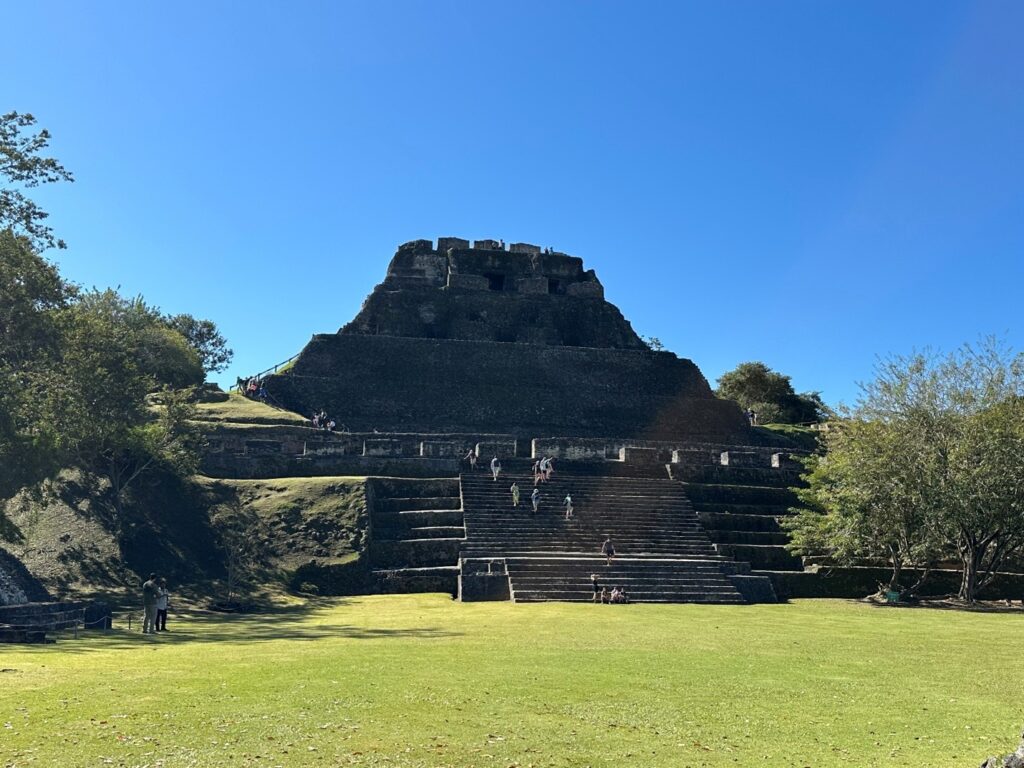
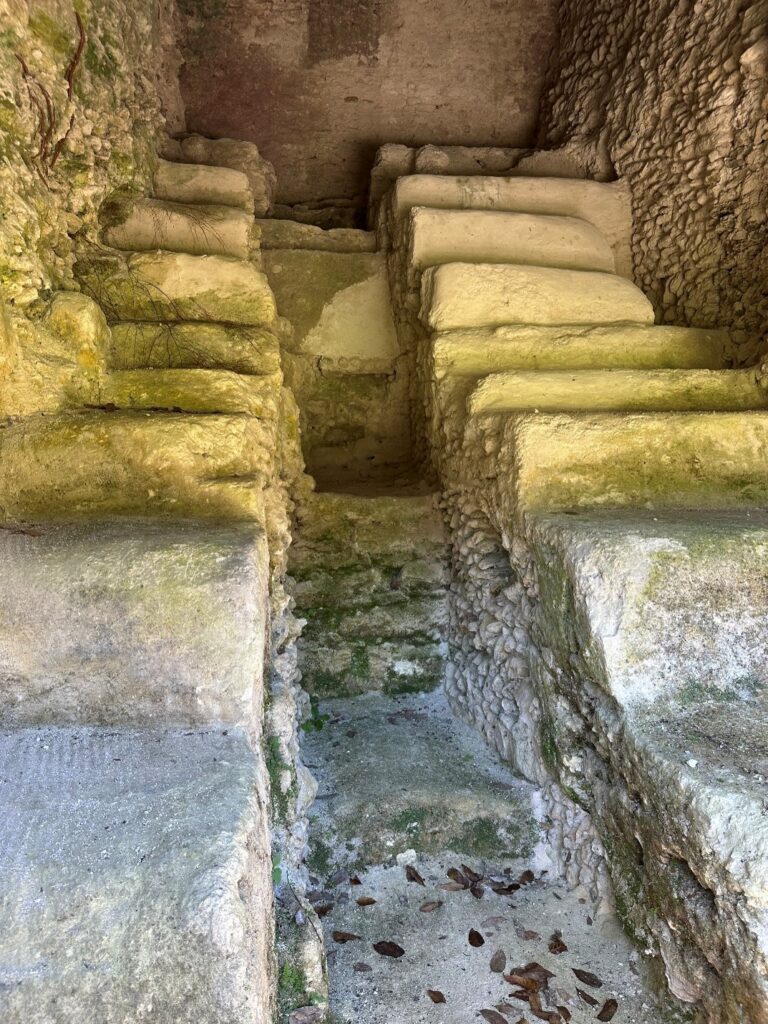
The ruins here are unique in that when other Mayan sites were in decline, this ceremonial and political center was still on the rise. It was established around 700 and was disbanded around the year 1000. Of special interest is “el Castillo” or the main temple and the interesting buildings to the left of it that are for observation and study of the solstices. Archaeological digs are still happening at Xunantunich as evidenced by a roped off area that is being cleaned and excavated.
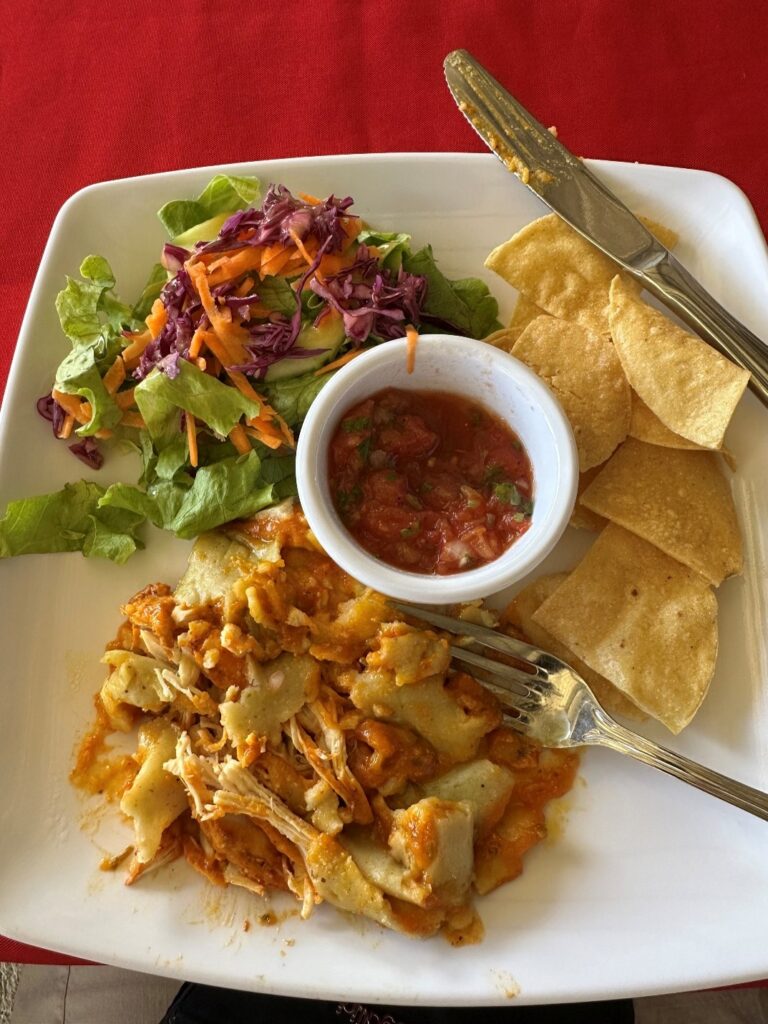
After learning a bit about the ancient Mayans at the site, it was time for an immersive cultural afternoon with a stop at the San Antonio Women’s Cooperative. We arrived just in time for lunch, which was tamales, one of my favs. I asked about the basic recipe and interestingly, one of the cooks started with “Pick and wash some palm leaves for the tamale corn masa mixture, then go kill a chicken….”. That’s about as real as it gets, even in today’s Belize out in the country!
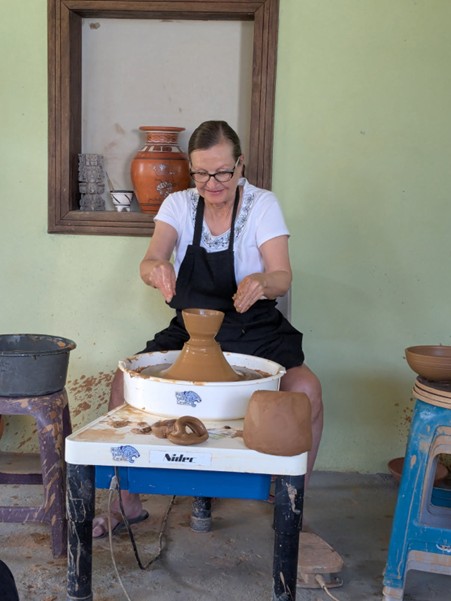
After a delicious lunch, our artistry was put to the test during a pottery demonstration and a chance to try it on your own using native mud and dyes. I volunteered for a turn at the potter’s wheel and produced a respectable small bowl, albeit after three tries!
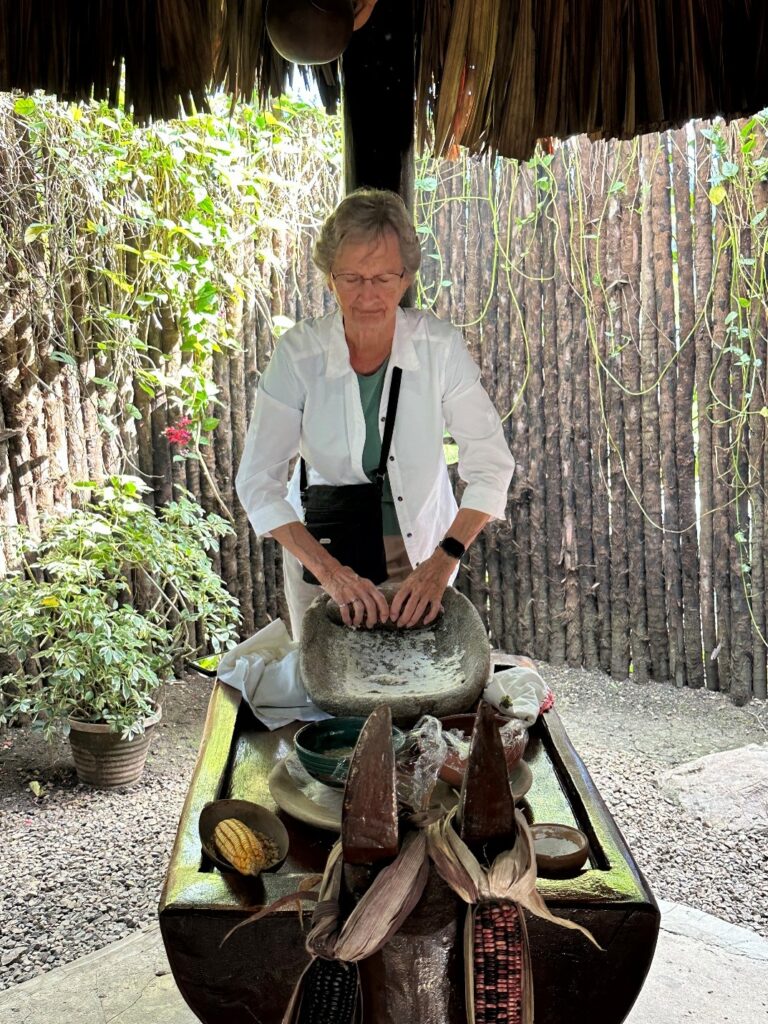
Next up was making your own corn tortillas the old-fashioned way…with a 500-year-old grinding pan and a roaring hot fire. Mom chipped in with some elbow grease to grind down the corn and form the tortilla dough. Then everyone formed their own tortillas from a ball and fried them on a very large, very hot griddle. They were very tasty!
Even if you don’t really like the cultural, hands-on thing, it was an interesting day, and we learned a lot about how ancient Mayan traditions are being kept alive and passed on…except the “go kill a chicken” part…hard pass on that!
Where we stayed: Cassia Hill Resort. Cute and rustic. No AC or heat. Pool. Pathways at the resort were uphill with unlevel stones.
How we got there: Bus from Placencia about three hours not including stops. This was part of a 9-day small group tour through Belize.
General Accessibility Information: The resort has accessible parking and entry, but all rooms are via stone walkways that are steeply uphill and uneven. Call in advance to verify and make specialty arrangements. See our sections on specialty apps and accessible travel for more on accessibility assistance.